Why Pre and Post Wax Care Matters More Than the Wax Itself
Quick Answer: Your results come down to what you do before and after the appointment, not the wax formula or even the esthetician's hand. Skin that's exfoliated, clean, and free of harsh actives grips hair cleanly during the pull, and skin that's calmed, protected, and lightly exfoliated afterward stays smooth and bump-free for weeks. Roughly 80 percent of how your wax turns out gets decided at home.
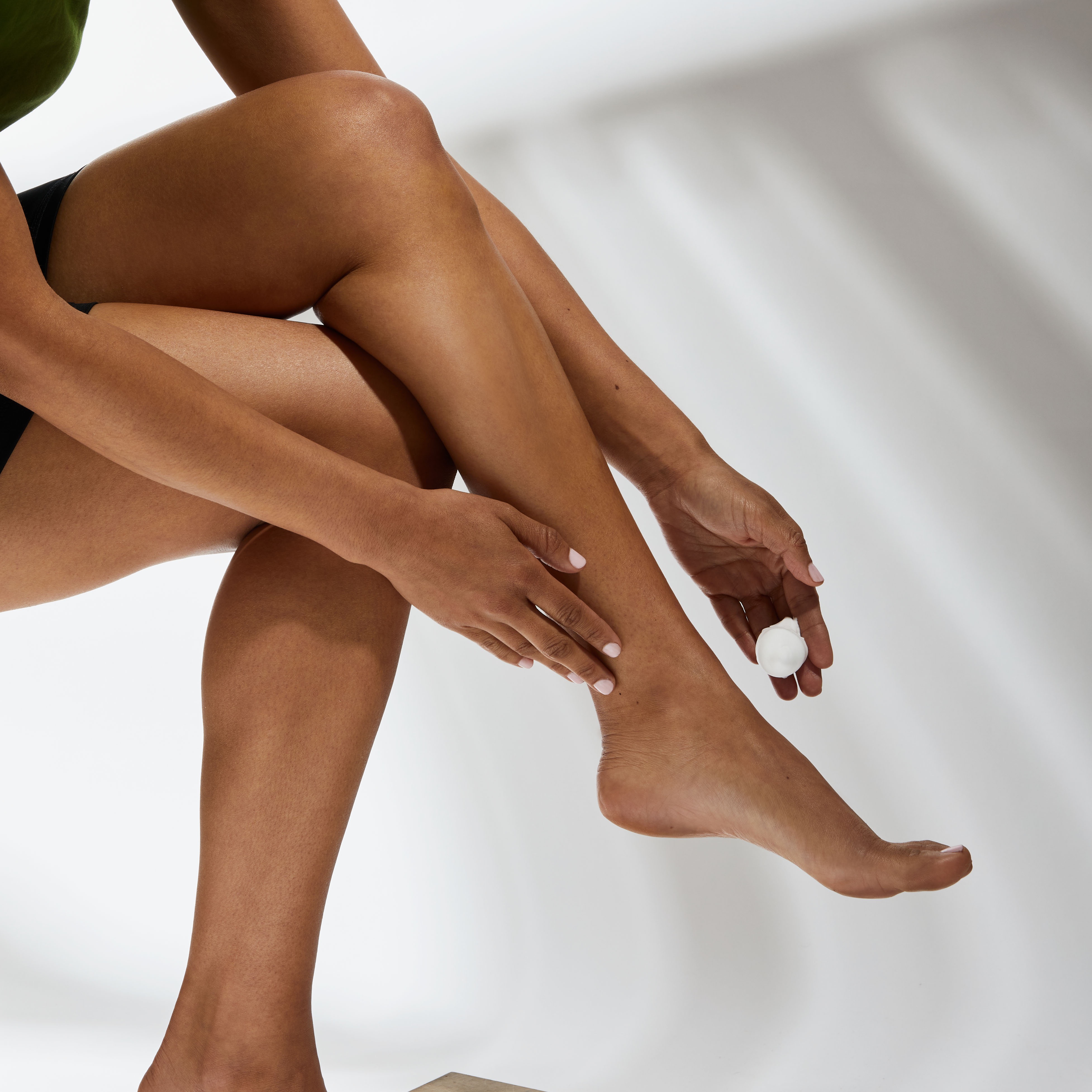
!Woman applying calming gel to freshly waxed skin as part of a post-wax skin care routine
The Wax Gets the Credit, But Your Routine Does the Work
The wax itself is almost the easy part. It's a tool. A skilled esthetician can apply it at the right temperature, strip it at the right angle, and still get mixed results if the skin underneath wasn't ready for it.
The real gap between a wax that keeps you smooth for a month and one that leaves you red, patchy, or bumpy by day five isn't the product line or the brand of wax. It's prep and aftercare. About 80 percent of your outcome gets decided by what you do at home, not by what happens on the table.
That's a hard pill to swallow if you've spent years blaming the salon for a wax that didn't hold up. Sometimes the salon really is the problem. But far more often, the skin showed up unprepared, or it never got the aftercare it needed to heal the way it should.
Pre and Post Wax Care Starts Before You Even Book
Picture the usual scenario. You book an appointment, show up, and assume the esthetician will handle the rest. No exfoliating beforehand. No thought given to hair length. Maybe you're still finishing up a round of a retinoid cream because nobody told you it mattered.
The wax goes on. It's supposed to grab the hair at the root and pull it clean out. Instead, it catches on a layer of dead skin sitting on top of the hair shaft. The pull either snaps the hair short, leaving stubble that grows back patchy, or it tugs at skin that's already compromised. That's uncomfortable at best. At worst, it tears.
This is the quiet failure point of waxing. It looks like a bad service. It's usually a bad setup.
What Changes When You Actually Prep the Skin
Now picture the same appointment, but the skin was exfoliated two days prior, the hair was trimmed to about a quarter-inch, roughly the size of a grain of rice, and nothing harsh touched the skin in the days leading up to it. The wax has a clean surface and a clean target. It grips the actual hair, pulls the root, and does exactly what it's built to do.
Afterward, instead of rushing to the gym or pulling on tight jeans, the area gets left alone. Something calming goes on. Aloe. A chamomile-based gel. Tea tree oil, used sparingly. No pools, no saunas, no heavy lotion for a day or two. A few days later, light exfoliation starts back up so new hair doesn't curl under the skin as it regrows.
The difference isn't subtle. It's stubble and ingrowns at the two-week mark versus skin that's still smooth and calm.
Four Pre-Wax Steps That Actually Change Your Results
Want fewer missed hairs, less pain, and skin that doesn't flare up afterward? These four things matter more than any product you could buy.
Exfoliate 24 to 48 hours before, gently. Clearing dead skin cells means the wax grabs the actual hair instead of sticking to buildup sitting on top of it. This alone fixes a surprising number of "the wax didn't work" complaints.
Cleanse the area beforehand. Sweat, body oils, and bacteria sitting on the skin create surface irritation and make the wax drag instead of glide. Clean skin means a smoother pull and noticeably less discomfort.
Pause active ingredients days in advance. Retinoids, acne medications like Accutane, and harsh chemical exfoliants all thin the skin. Keep using them right up until your appointment and you raise the odds of tearing or skin lifting when the strip comes off.
Get the hair length right. Too short and the wax has nothing to grab. Too long and the pull hurts more than it needs to. A quarter-inch, about the size of a grain of rice, is the spot that lets the wax pull the full root cleanly instead of snapping the shaft partway.
This lines up with how a proper appointment actually runs. Part of a standard Brazilian wax consultation involves cleansing the area before any wax touches the skin, specifically to remove oils, sweat, or lotion so the service can do its job.
Four Post-Wax Habits That Prevent the Problems People Blame on the Wax
Most "waxing just doesn't work for me" stories get written in the 48 hours after the appointment, not during it. Skip this part and you're left dealing with irritation, ingrowns, or infections that had nothing to do with the wax itself.
Soothe the open follicles right away. Waxing opens every pore it touches. Something antibacterial or calming, like tea tree oil, aloe, or chamomile, cools the inflammation and helps pores close before bacteria get a chance to settle in.
Keep the area clean and uncovered for 24 to 48 hours. Sweat, tight clothing, pools, saunas, and heavy lotions all create a trapped, damp environment where bacteria thrive inside a freshly opened follicle. This single habit prevents most post-wax breakouts.
Start light exfoliation again within a few days. New hair growing back after a wax is more prone to getting caught under the skin's surface. A little exfoliation a few days out keeps that path clear so hair breaks through instead of curling back in.
Stick to a 4-to-6-week rhythm and keep skin hydrated. Hair growth runs in cycles, and waxing on a consistent schedule trains that cycle over time. Regrowth tends to come in finer and more even, which is part of why consistent clients see better long-term results than people who book sporadically.
The Bikini Wax Aftercare Myth Worth Retiring
Most post-wax skin does fine without a seven-step routine. You don't need a shelf full of specialty serums to get good results. What actually moves the needle is a short, boring list: skip harsh actives beforehand, keep the area clean, keep it covered from sweat and friction for a day or two, then exfoliate lightly once things calm down.
The real variable isn't which product line you buy. It's the skin barrier disruption that happens every single time you wax. Protect that barrier before and after the service, and the wax does the rest.
- About 80 percent of your wax results come from pre and post wax care, not the wax application itself.
- Exfoliating 24 to 48 hours before an appointment and trimming hair to a quarter-inch gives the wax something clean to grip.
- Pausing retinoids, Accutane, or harsh exfoliants days in advance protects skin from tearing during the pull.
- Soothing agents plus 24 to 48 hours of clean, uncovered skin afterward prevent the infections and irritation people often blame on the wax.
- Light exfoliation a few days post-wax is the single most effective habit for preventing ingrown hairs.
If ingrown hairs are already a recurring issue beyond waxing, the same exfoliation logic applies elsewhere on the body. How to Prevent Ingrown Toenails With Professional Footcare covers how buildup and improper care create the same trapped-growth problem on the feet. And if post-wax breakouts have you questioning your skin in general, Why Is My Skin So Dry Even When I Moisturize? digs into barrier issues that often get mistaken for product problems.
FAQ
How do I prepare for a bikini wax at home?
Exfoliate gently 24 to 48 hours before your appointment, trim hair to about a quarter-inch if it's longer, and skip retinoids or harsh exfoliants in the days leading up to it. Clean, prepped skin lets the wax grip hair instead of pulling at the skin itself.
What should I avoid after a Brazilian wax?
Avoid sweat, tight clothing, pools, saunas, and heavy lotions for 24 to 48 hours. All of these create a trapped, damp environment around freshly opened follicles, which is where most post-wax irritation and infection start.
How soon can I exfoliate after waxing?
Start light exfoliation a few days after your appointment, once any immediate redness has settled. This step prevents regrowing hair from getting trapped under the skin's surface and turning into an ingrown.
Why does my wax not last as long as it should?
Inconsistent aftercare is the most common reason. Skipping exfoliation, jumping into a sweaty workout right after, or missing your 4-to-6-week rebooking window all interrupt the hair growth cycle that waxing depends on for fine, even regrowth.
Can I wax if I'm using Accutane or a retinoid?
Pause strong actives like Accutane or retinoids several days before your appointment. These ingredients thin the skin, which raises the risk of tearing or skin lifting during the wax itself.
Your Next Step
Good pre and post wax care isn't complicated, but it has to happen every time, not just the week before a big event. If you want a routine built around your actual skin instead of a generic checklist, that conversation is worth having before your next appointment.