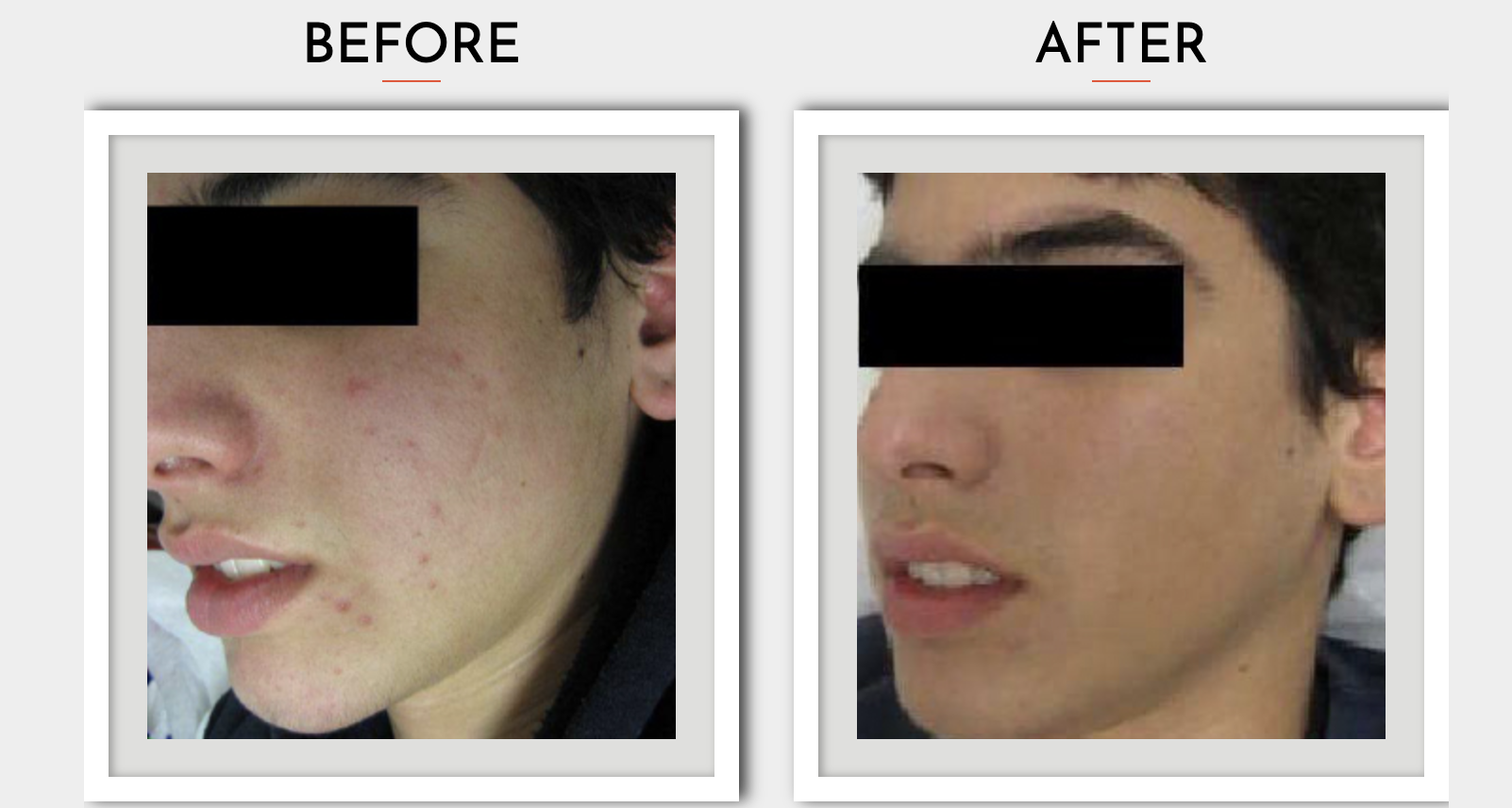
Quick Answer: Teen acne is caused by hormonal changes that ramp up oil production and clog pores, and there is no way to switch that process off during puberty. The real goal is not to erase breakouts overnight but to manage them gently and consistently, because over-scrubbing, overusing benzoyl peroxide, and constantly switching products are usually what cause the scarring parents are trying so hard to prevent.
The frustration is real, and it makes sense
A teenager looks in the mirror, sees a new breakout, and wants it gone by tomorrow. A parent watches their kid feel self-conscious and wants to fix it just as badly. So the medicine cabinet fills up fast. A harsher cleanser here, a stronger spot treatment there, maybe a new product every couple of weeks because the last one "didn't work."
That instinct to act fast is completely understandable. It is also, in most cases, the wrong move.
Teen acne is not a problem you can out-hustle. It is driven by hormonal shifts that happen during puberty, full stop. You cannot switch that off with a stronger cleanser or a more aggressive routine. What you can control is how much damage happens to the skin while those hormones settle down, and that is where most of the real, lasting problems actually start.
What is really happening before you start treating it
Before any treatment begins, here is the baseline: hormonal changes during the teen years increase oil, or sebum, production in the skin. That extra oil mixes with dead skin cells and clogs pores, which creates the environment where breakouts form.
This is a normal, expected part of puberty. It is not a sign that a teenager is doing something wrong, eating badly, or failing to wash their face properly. The skin is simply responding to a hormonal shift it did not ask for and cannot control.
That matters because it reframes the entire goal. You are not trying to eliminate the hormonal trigger. You are trying to manage the skin's response to it while protecting the skin barrier so breakouts do not turn into scars.
Teen acne and the mistakes that make it worse
Here is what tends to happen once frustration takes over.
Over-scrubbing. The logic feels sound: acne means dirty skin, so scrub harder and it should clear up faster. In practice, aggressive scrubbing damages the skin barrier and worsens irritation. Instead of calming the skin, it inflames it further, which can make existing breakouts angrier and slower to heal.
Overusing benzoyl peroxide. Benzoyl peroxide is a genuinely effective ingredient for acne, but more is not better. Overusing it dries out and inflames the skin, and that inflammation increases the risk of the very scarring parents are trying to prevent in the first place.
Constantly switching products. Almost every acne treatment needs several weeks of consistent use before you can judge whether it is working. Swapping products every time results feel slow means no single treatment is ever given a fair chance, so the skin stays in a constant state of adjustment instead of actually improving.
Put together, these three habits create a cycle: irritated skin, more aggressive treatment, more irritation, another product switch. The skin never gets the stability it needs to heal.
| Common reaction | Why it feels logical | What it actually does |
| --- | --- | --- |
| Scrubbing harder | "Acne means dirty skin" | Damages the skin barrier, increases irritation |
| Overusing benzoyl peroxide | "More product, faster results" | Dries and inflames skin, raises scarring risk |
| Switching products often | "This one isn't working fast enough" | Prevents any treatment from having time to work |
The bridge: patience and barrier care, not intensity
The shift that actually changes outcomes is a mindset shift, not a product upgrade. Teen acne responds better to a gentle, consistent routine held steady over weeks than to an aggressive routine changed every few days.
That means a gentle cleanser instead of a harsh scrub. It means using active ingredients like benzoyl peroxide at a reasonable frequency, not maximum intensity. And it means picking a routine and sticking with it long enough to actually know whether it is working, typically several weeks, before deciding to change anything.
Protecting the skin barrier is the part most people skip because it does not feel like "doing enough." But a healthy barrier heals faster, scars less, and tolerates treatment better than skin that is constantly irritated and stripped. Gentle is not the weaker option here. It is the one that actually works.
- Teen acne is driven by hormonal changes that cannot be stopped, only managed.
- Over-scrubbing damages the skin barrier and makes irritation worse, not better.
- Overusing benzoyl peroxide dries and inflames skin, raising the risk of scarring.
- Switching products frequently out of frustration prevents any treatment from having the time it needs to work.
- A gentle, consistent routine protects the skin barrier and reduces the chance of lasting scars.
FAQ
How long does teen acne usually last? Teen acne is tied to hormonal changes during puberty, so it tends to ease as those hormone levels stabilize. There is no fixed timeline, which is exactly why patience matters more than speed when choosing a routine.
Is it okay to use benzoyl peroxide every day? Benzoyl peroxide is effective, but overusing it dries and inflames the skin, which raises the risk of scarring rather than lowering it. Using it as directed, rather than more often out of impatience, protects the skin barrier while still treating breakouts.
Why does my skin look worse after I start scrubbing more? Aggressive scrubbing damages the skin barrier, which increases irritation instead of clearing breakouts faster. Gentler cleansing supports the skin's ability to heal, while scrubbing tends to set that healing back.
How soon should I expect to see results from a new product? Most acne treatments need several weeks of consistent use before you can fairly judge whether they are working. Switching too soon is one of the main reasons teen acne routines fail, since no single product gets a real chance.
Can teen acne be completely stopped? No, because it is driven by hormonal changes that are a normal part of puberty and cannot be fully controlled. The realistic goal is managing breakouts and protecting the skin barrier so scarring is minimized while the hormonal phase runs its course.
Where to go from here
If you are a parent watching a teenager struggle with acne, or a teen tired of routines that seem to make things worse, the most useful shift is usually the least dramatic one: slow down, protect the skin barrier, and give a gentle routine the weeks it needs to actually show results. Consider talking with a dermatology provider about which routine, ingredients, and product-switching timeline are right for the skin in question, rather than guessing under pressure at the drugstore shelf.
For readers wanting more depth, related reading on building a gentle daily skincare routine, understanding common acne-fighting ingredients, and recognizing early signs of acne scarring can help fill in the details this guide only had room to introduce.