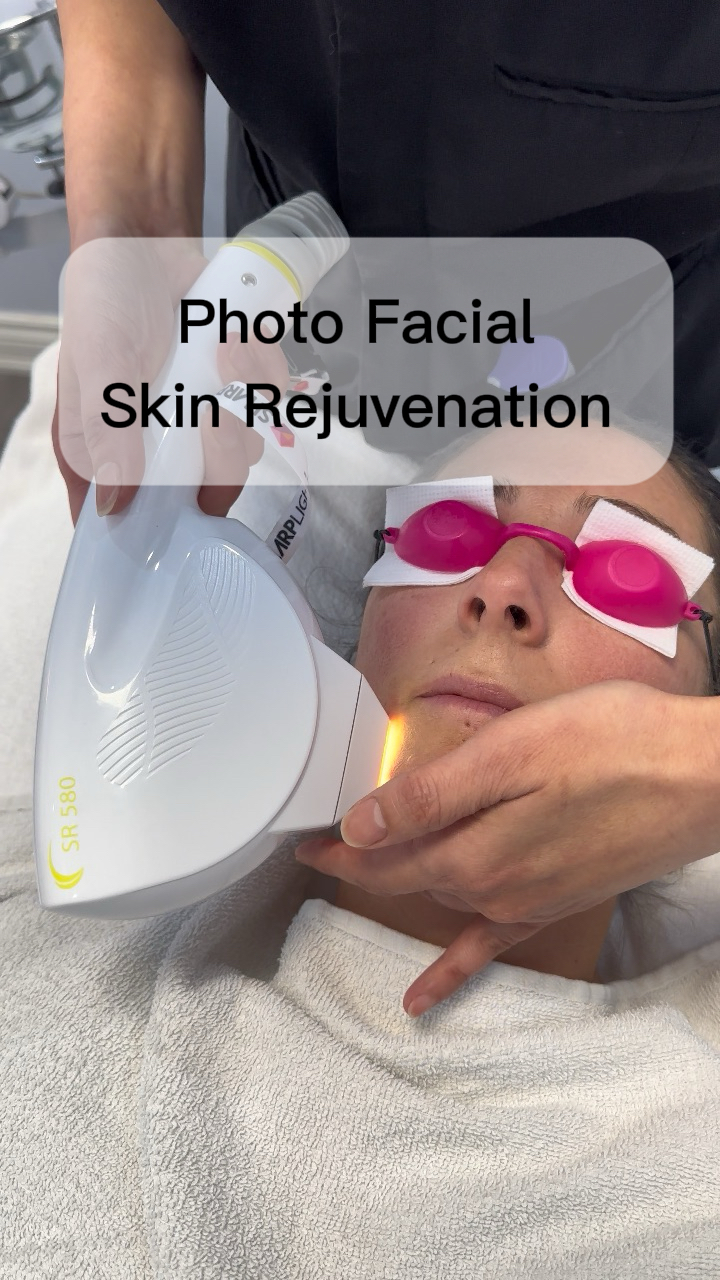
IPL Photofacial: Things to Know
Quick Answer: IPL photofacial or skin rejuvenation treatment are designed to address visible signs of aging and photodamage, including fine lines, uneven skin tone, redness, pigmentation, and textural concerns.
What IPL Photofacial Treatment Actually Does
Intense pulsed light therapy sends broad-spectrum light into the skin, targeting pigment and blood vessels close to the surface. The light converts to heat, breaks down excess melanin, and causes tiny vessels to collapse and get reabsorbed by the body. Over a series of sessions, that process shows up as fewer visible red patches, lighter brown spots, and a smoother overall texture.
Some photo rejuvenation devices push this further than a single-wavelength IPL unit. SharpLight's skin rejuvenation technology, for example, combines Dynamic Pulse Control™ (DPC™), infrared, and radiofrequency in one system, so clinicians can layer different energy types to reach multiple layers of skin instead of working the surface alone. DPC™ is still built on the same core principles as traditional intense pulsed light, it just adds finer pulse control so the energy can be tuned more precisely for different skin types and different treatment goals.
Within that system, the SR580 handpiece is the one most commonly used for facial skin rejuvenation. It's designed to improve tone, texture, and overall radiance while treating benign pigmented lesions and sun-related changes, the same concerns that bring most people into an IPL consultation in the first place.
It's a non-ablative treatment either way, meaning it doesn't remove the top layer of skin the way some lasers do. That's part of why it's popular: minimal downtime, no real recovery period, and it fits into a lunch break for a lot of people.
Pre and Post Care That Actually Matters
What you do around the appointment affects both your results and your risk of complications, especially if you're on the edge of the candidacy range. Before a session, that usually means avoiding sun exposure and self-tanners for a couple of weeks, since tanned or recently sun-exposed skin carries a higher risk of unwanted pigment changes from the light energy. It also means skipping retinoids or other active ingredients that make skin more reactive in the days leading up to treatment, and telling your provider about any new medications or skin changes before you sit down for the pulse test.
After a session, skin is more sensitive to UV light than usual, so daily sunscreen isn't optional, it's the single biggest thing standing between you and new pigmentation. Mild redness or a warm, sunburned feeling for a day or so is normal. Anything beyond that, including blistering or unusual darkening, is worth a call back to the clinic rather than a wait-and-see approach.
How IPL Compares to Other Options
| Treatment | Best For | Downtime | Skin Tone Flexibility |
| --- | --- | --- | --- |
| IPL photofacial | Redness, sun spots, mild fine lines | Minimal | Best on Fitzpatrick I-IV |
| Fractional laser | Deeper texture issues, acne scars | Several days | Varies by device, generally more caution on darker tones |
| Injectable fillers | Volume loss, deeper static lines | Minimal to none | Works across most skin tones |
What a Good Consultation Should Cover
A consultation worth your time and money should include a Fitzpatrick skin type assessment, not a guess based on how you look under office lighting. It should include an honest range for how many sessions you'll likely need, since the research shows total session count genuinely changes outcomes. It should walk you through pre and post care, not hand you a printed sheet on the way out the door. And it should include a direct answer about hyperpigmentation risk if you fall in the darker skin tone range, not a vague reassurance.
If a clinic can't or won't walk you through those things clearly, that's useful information on its own. The same logic applies to other non-surgical rejuvenation options worth comparing, including non-surgical facelift approaches, which carry their own candidacy questions depending on your skin and your goals.
FAQ
Is IPL photofacial treatment painful?
Most people describe it as a quick snap or rubber-band-like sensation against the skin during each pulse. It's generally tolerable without numbing cream, though clinics may offer a topical option for sensitive areas.
How many IPL sessions will I actually need?
Published research found that total session count and sticking to a regular treatment schedule were both independently linked to better results, so a single session is unlikely to deliver the improvements people expect. Most treatment plans involve a series, with your provider adjusting the count based on how your skin responds.
Can I get IPL if I have a darker skin tone?
You can, but your realistic odds of a strong response are significantly lower, and your risk of hyperpigmentation is higher, according to both clinical research and direct guidance from providers. Ask specifically about your Fitzpatrick type and expected outcomes before committing to a series.
What should I do before and after an IPL session?
Before treatment, avoid sun exposure, tanning, and active skincare ingredients that make your skin more reactive. After treatment, daily sunscreen is the most important habit, since freshly treated skin is more vulnerable to new pigment changes from UV exposure.
What's the difference between IPL and laser skin treatments?
IPL uses broad-spectrum light and targets pigment and surface blood vessels with minimal downtime, while fractional lasers typically go deeper for texture and scarring, often with more recovery time involved. Which one fits your concern depends on whether you're dealing with redness and pigmentation or deeper textural issues like scarring.
Will IPL get rid of melasma?
Melasma behaves differently from sun spots or broken capillaries, and both the published research and direct clinical guidance flag it as a condition where IPL can make discoloration worse rather than better, particularly on darker skin tones. If melasma is your main concern, that's a specific question to raise before booking, not something to assume IPL will resolve.
A Straight Next Step
If you're considering IPL photofacial treatment, the smartest move is a consultation where you ask directly about your Fitzpatrick skin type, your realistic odds of response, your pre and post care plan, and your specific hyperpigmentation risk before you commit to anything. You deserve a straight answer, not a brochure photo.